

INFORMATION AS THE FOUNDATION OF REALITY
This page explores the philosophical possibility that information is more fundamental than energy and matter. Not information in the sense of data or knowledge, but as the organising principle from which reality may unfold. Within The Fractal Framework, Information, together with Entanglement, Emergence and Scale Relativity, forms one of the four ontological pillars of the framework.
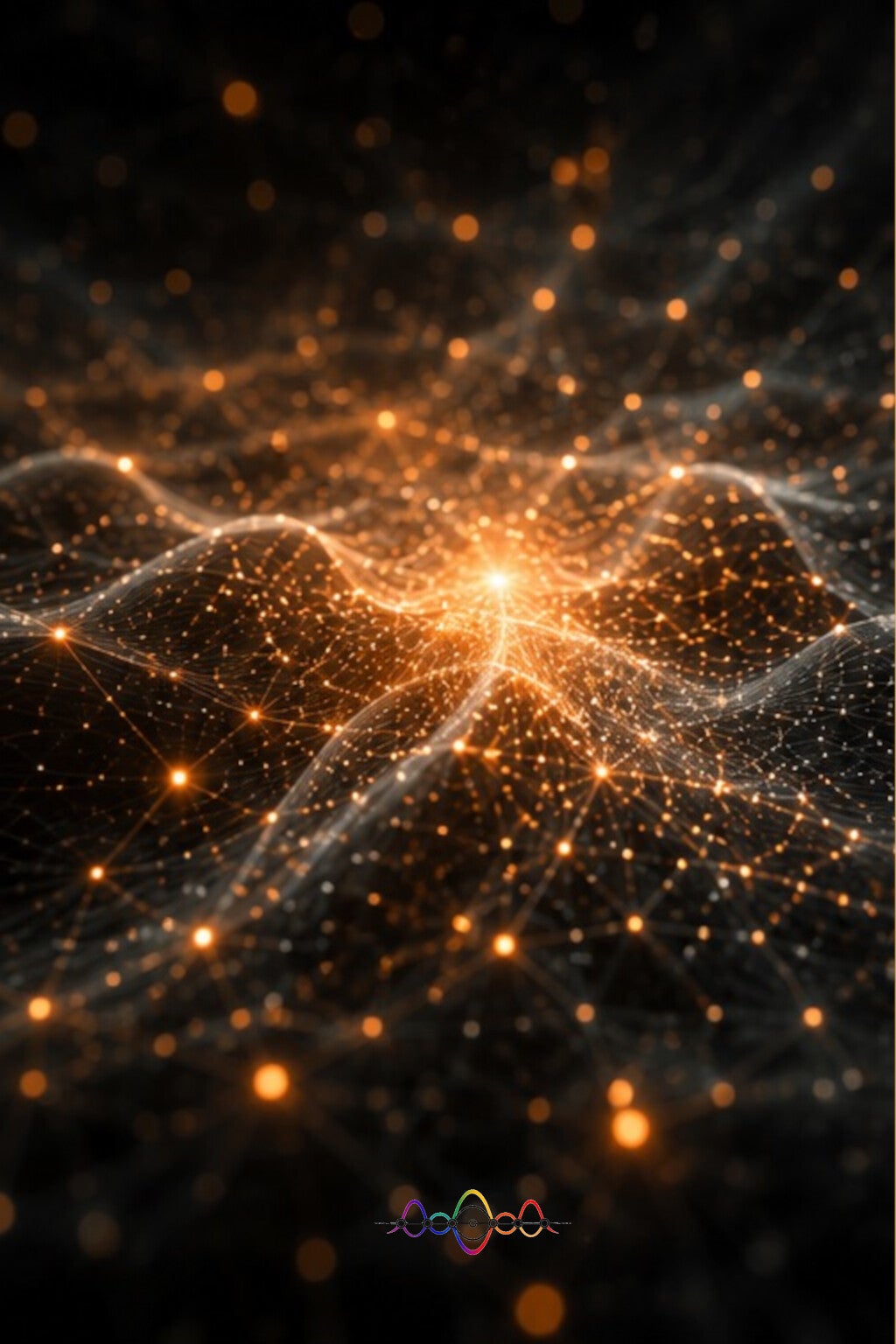
Information as a Fundamental Principle
Binnen de natuurwetenschappen spelen materie en energie een centrale rol bij het beschrijven van de werkelijkheid. Het Fractaal Denkraam sluit daarbij aan, maar onderzoekt daarnaast de filosofische mogelijkheid dat informatie nog fundamenteler is dan materie en energie. Niet als verzameling van gegevens, maar als datgene waardoor structuren, relaties en organisatie kunnen ontstaan. Vanuit het perspectief van Het Fractaal Denkraam zijn materie, energie, leven en bewustzijn, verschillende manifestaties van hetzelfde onderliggende organiserende principe.

The Four Ontological Pillars of The Fractal Framework
The Fractal Framework rests on four interconnected ontological pillars.
Information forms the foundation from which reality may organise itself.
Entanglement describes the interconnectedness through which information develops into increasingly complex forms of organisation.
Emergence explains how new properties, levels of organisation and realities arise from this organisation, which cannot be fully reduced to the individual components from which they emerge.
Scale Relativity explores how this organisation manifests itself across different, interconnected scales of reality.
Together, these four ontological pillars form a philosophical interpretive model in which reality is not understood as a collection of separate objects, but as an ongoing process of organisation and interconnectedness. Through their mutual interaction, they form the ontological architecture from which realities can emerge and develop at different scales, both within and beyond the current limits of our perception and description.
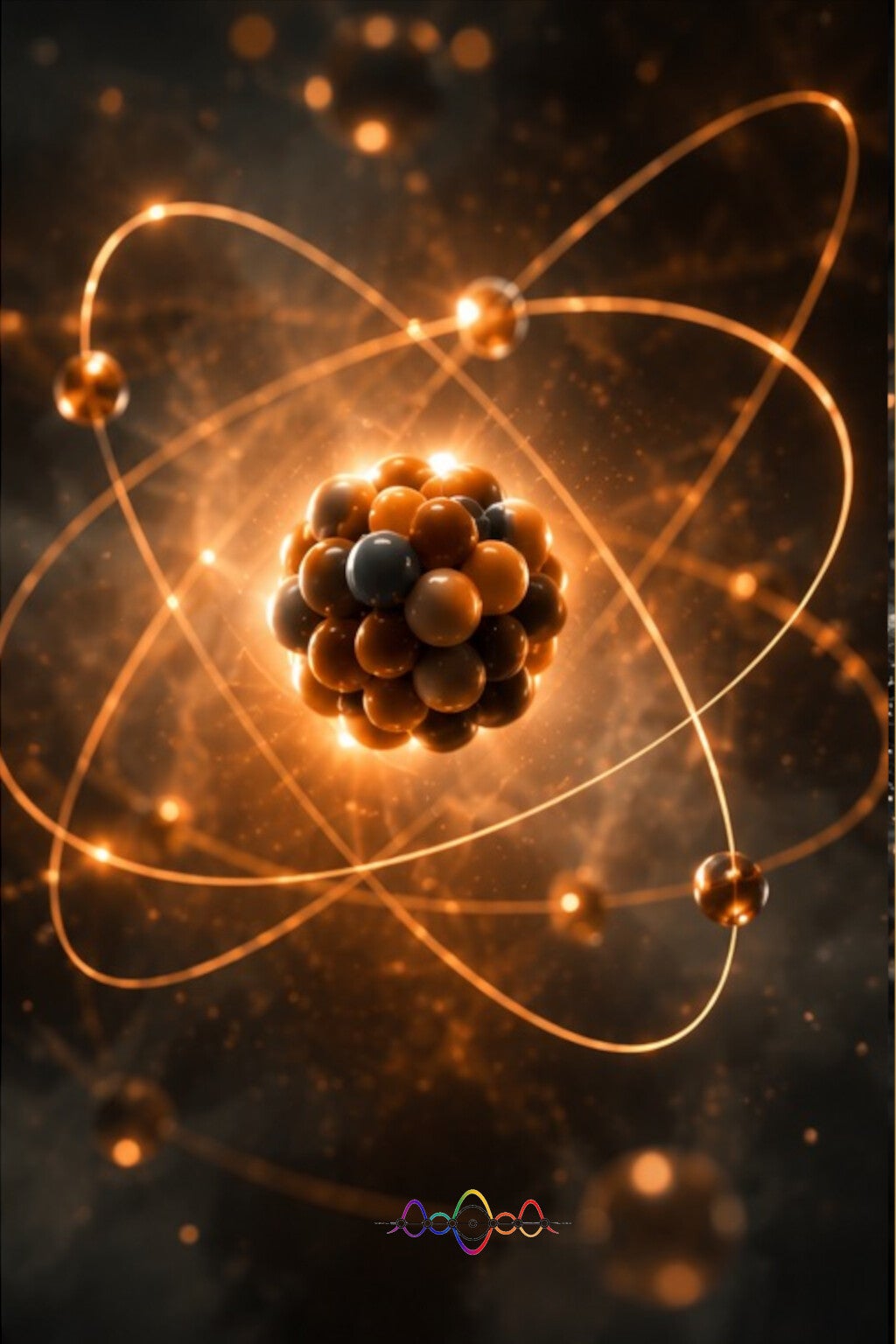
Fractal Organisation of Information
A central premise is that the organising principles we recognise within our describable reality may continue to manifest themselves fractally at larger and smaller scales. Precisely because these scales may lie beyond the scope of our current descriptions, The Fractal Framework does not attempt to explain them through speculation, but rather through patterns that are observable and describable within our own scale.
Describable reality therefore does not represent the endpoint of our understanding, but may instead provide the key to a philosophical interpretation of realities that lie beyond the scope of our current descriptions.
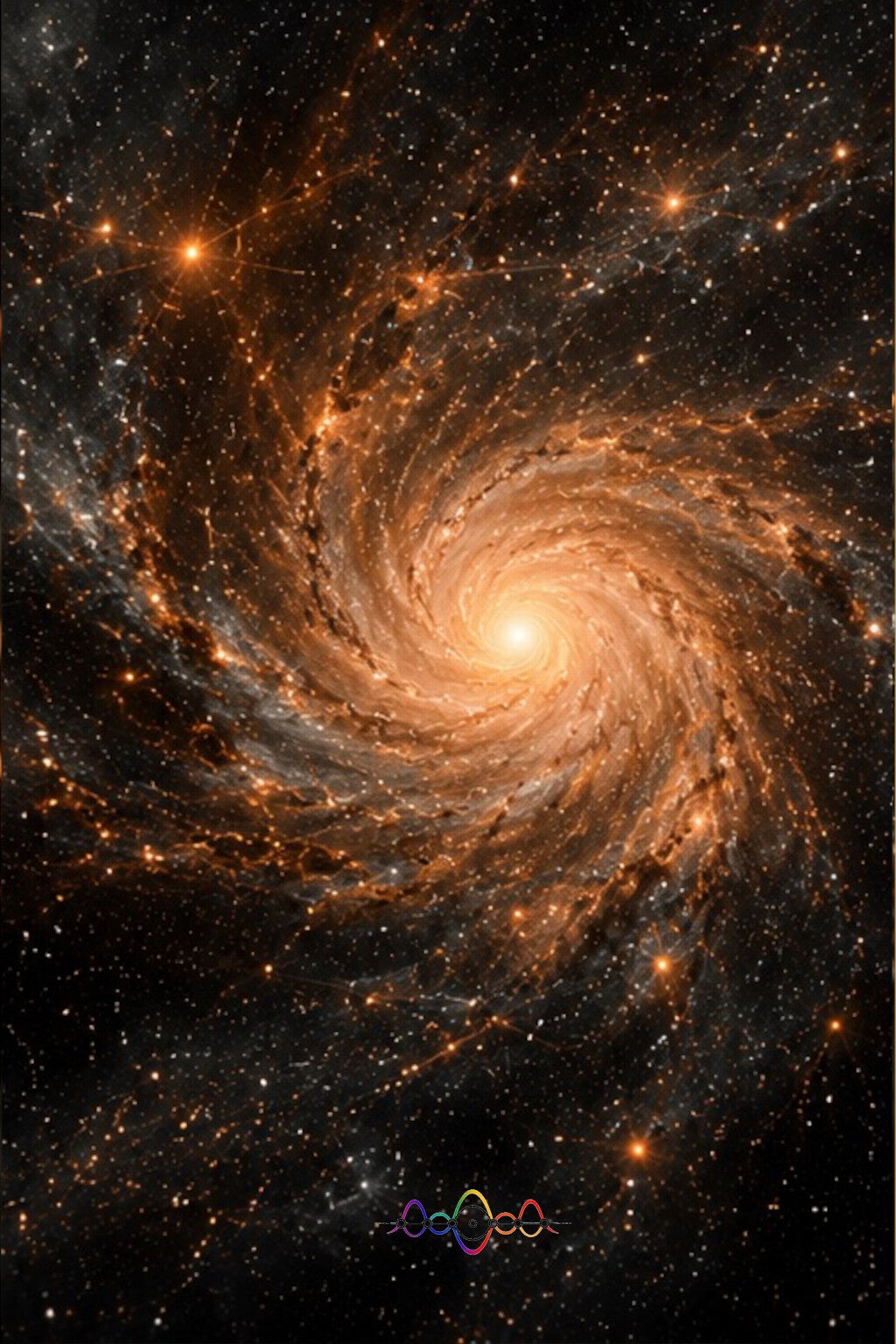
From Description to Reality
When Information is understood as an organising principle, the focus shifts from objects to processes. Reality then consists not merely of things, but primarily of the relationships and patterns through which these things emerge, develop and change.
The Fractal Framework invites us to consider reality not merely as something that can be measured, but as a process of which our describable reality may constitute just one scale. This opens up space for reflection on the interconnectedness of matter, life, consciousness, spirituality and the cosmos, without losing sight of the boundaries of science.
The Philosophical Implications
If information is more fundamental than matter and energy, this implies that reality is not built from things, but from organising patterns that continue to manifest themselves at different scales. Our describable reality is then not a closed whole, but a window onto an infinite process of information organisation, of which we can describe only one scale.
Read the book The Ontological Architecture of The Fractal Framework. It presents a philosophical interpretive model in which Information, Entanglement, Emergence and Scale Relativity describe reality as one coherent process of organisation.
The model distinguishes itself from existing multidimensional approaches by interpreting reality not as a collection of separate dimensions, but as a potentially infinite whole of interconnected scales that originate from the same ontological source and are fractally related to one another.
From the perspective of The Fractal Framework, one could argue that the dimensions described in many multidimensional models can be understood as specific levels of organisation within a much larger hierarchy of scales. They do not, therefore, constitute separate realities, but rather manifestations within a continuum of interconnected scale levels.
Furthermore, from the perspective of The Fractal Framework, the layered structure of scales is not bounded. Each scale can, in turn, be regarded as part of a larger scale while simultaneously serving as the carrier of a potentially infinite collection of smaller scales and ontological processes. This gives rise to a potentially infinite fractal structure in which the same fundamental ontological organising principles may manifest themselves at every scale.
Maak jouw eigen website met JouwWeb