

CONSCIOUSNESS
WHAT IS CONSCIOUSNESS?
Consciousness remains one of the greatest unresolved questions in philosophy and science. Is it a product of the brain, a fundamental aspect of reality, or does it emerge from an as-yet-unknown organizational process? Despite centuries of research, there is still no generally accepted explanation.
The Fractal Framework does not claim to provide a definitive answer to this question. Instead, it offers a philosophical-ontological interpretative model that explores consciousness from a different perspective. Within this model, the central question is not what consciousness is, but what function consciousness may fulfil within the organization of reality.
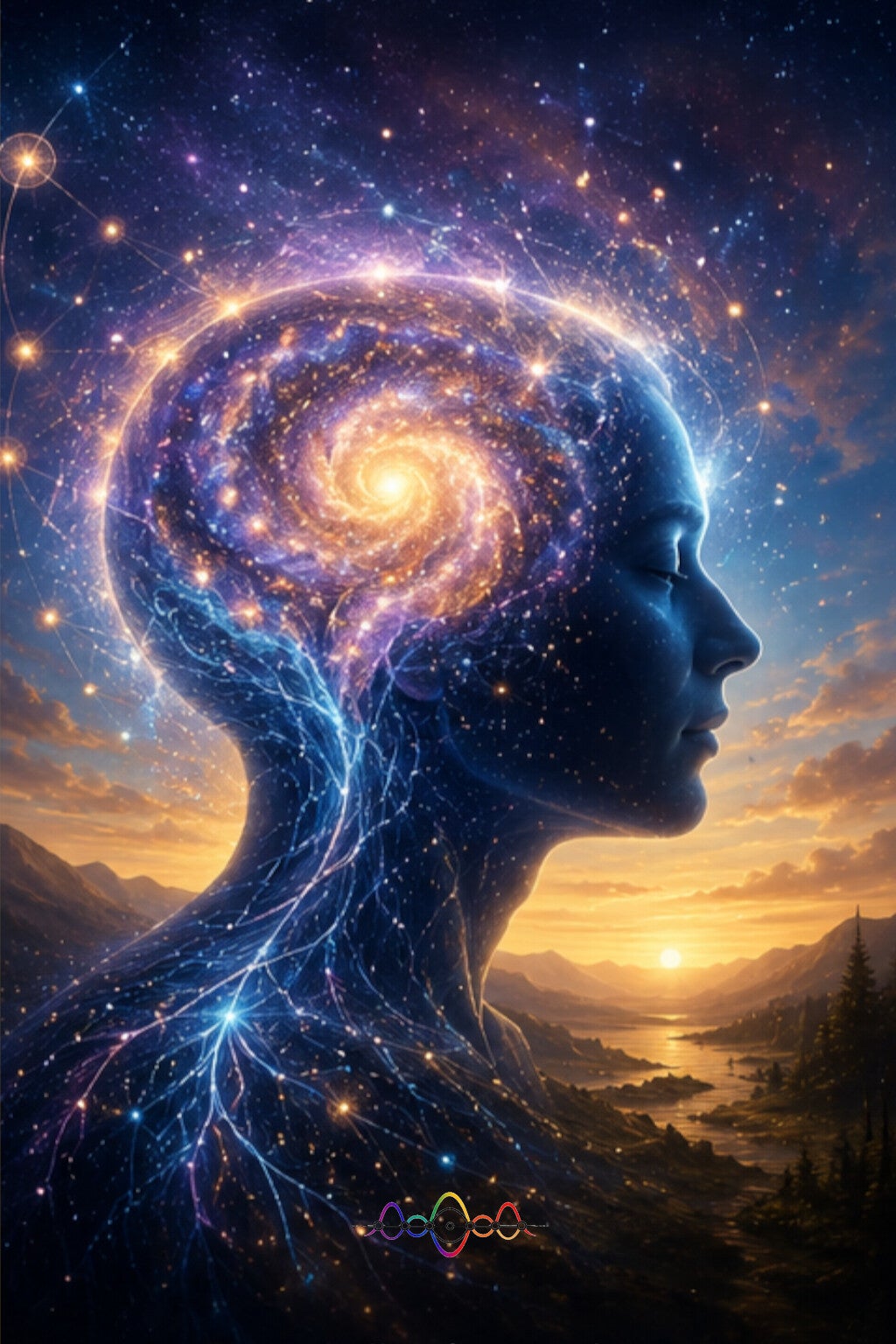
A Different Perspective
Within The Fractal Framework, the philosophical hypothesis is explored that the human being can be understood as a node: a local organizing centre in which Information & Reality is received, brought into relation with other information, transformed and expressed anew.
From this perspective, consciousness may be more than an individual experience. It could be part of a larger organizing process in which each human node represents a unique perspective. This idea is not presented as an established truth, but as a philosophical hypothesis that invites further reflection.
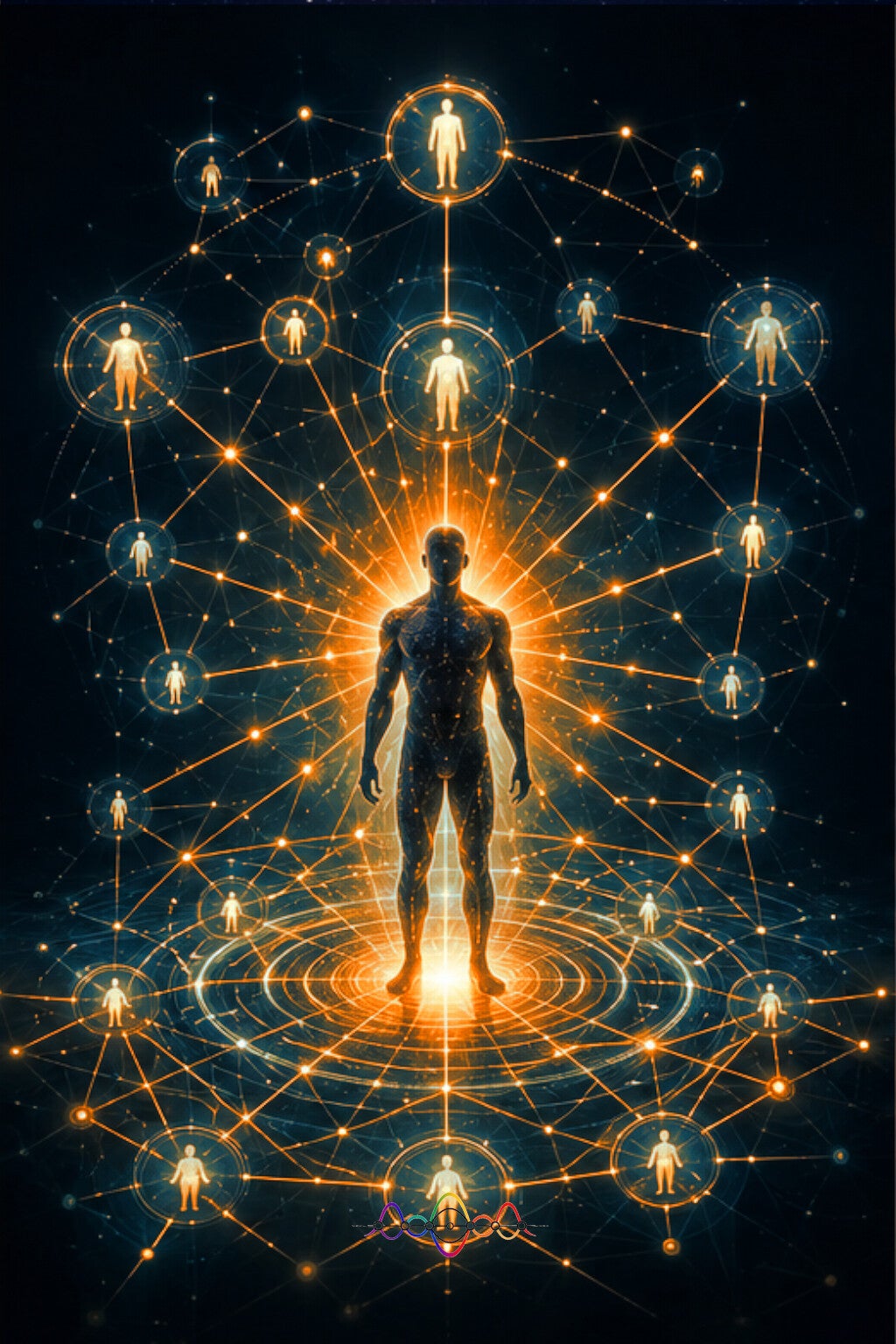
The Human Being as a Node
Every human being develops a unique identity throughout their lifetime, shaped by heredity, experiences, culture, memories and personal choices. This identity determines not only how reality is perceived and interpreted, but also forms the unique perspective from which each human being as a node operates. No two people possess exactly the same combination of experiences and insights. It is precisely this uniqueness that makes every node valuable within the greater whole.
Within The Fractal Framework, the human being as a node fulfils a dual function. On the one hand, each node continuously receives, interprets and integrates Information and Reality from its own perspective. On the other hand, through thinking, creativity, collaboration, knowledge development and action, it actively contributes to the further organization and expression of that information. The human being is therefore not merely an observer of reality, but also a participant in its continuous development.
It is precisely because every human node represents a unique perspective that space is created for new insights, innovative ideas and new forms of organization. Within this interpretative model, diversity of perspectives is not a random occurrence, but an important condition for Emergence. After all, new knowledge, science, art, culture and societal developments arise through the encounter, interaction and mutual challenge of different perspectives.
From this perspective, the unique identity of every human being takes on a broader significance. It not only makes personal experience possible, but also enables each human being as a node to make a unique and irreplaceable contribution to the ongoing development of the greater organizing whole.
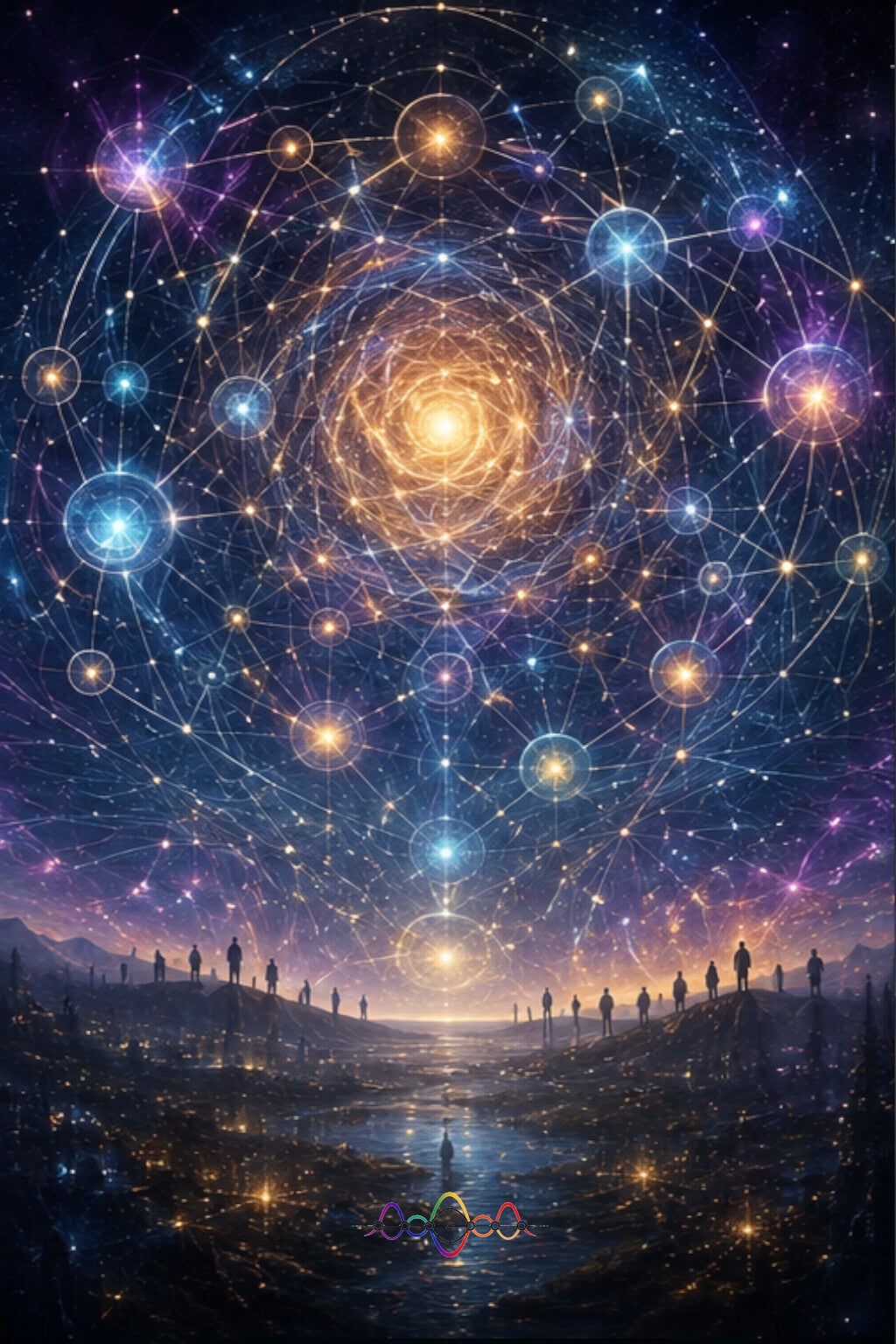
The Ontological Architecture
Within The Fractal Framework, it is proposed that four fundamental organizing principles may underlie the structure of reality:
These principles are not used exclusively to describe consciousness, but together form a philosophical framework through which a wide range of phenomena can be explored from a single, coherent perspective.
Why This Perspective?
Many theories attempt to explain consciousness from the perspective of a single specific domain, such as neurology, psychology or physics. The Fractal Framework takes a different approach. Not by replacing existing insights, but by bringing them together within a broader philosophical interpretative model that connects consciousness, reality and organization.
The starting point is not that this model describes the truth, but that it offers a coherent perspective through which new questions can be raised and existing insights placed within a broader context. Consciousness is therefore not viewed exclusively as something human beings possess, but as a possible organizing process in which every human node actively participates.
Maak jouw eigen website met JouwWeb